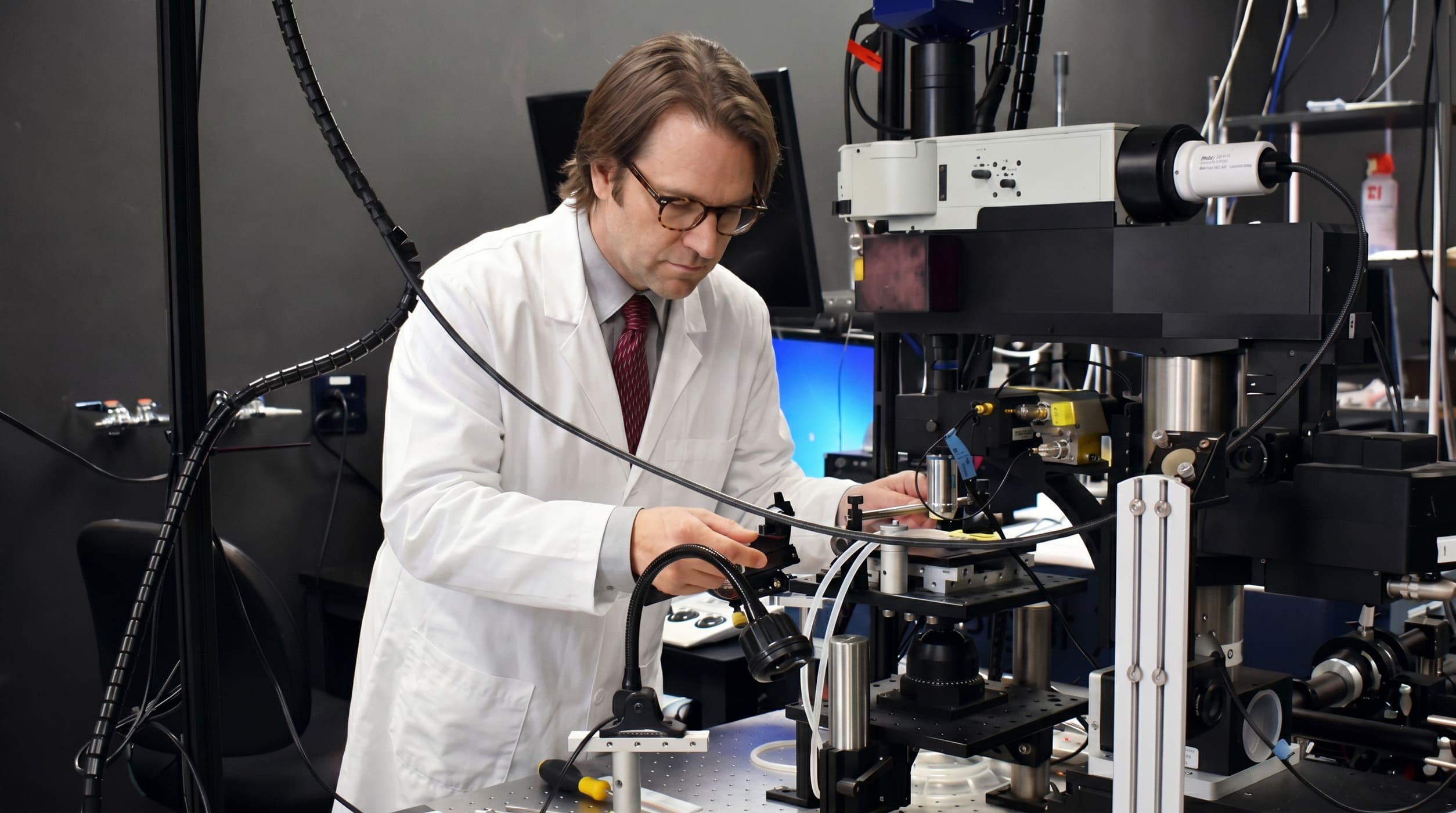
About Dr. Ethan Morrow
Ethan Morrow, Ph.D., is a cognitive neuroscientist, researcher, and the creator of the Morrow Protocol. His work focuses on the neural mechanisms of sustained attention, dopaminergic dysregulation, and the modulation of the Default Mode Network (DMN) through precision frequency entrainment.
Dr. Morrow completed his undergraduate studies in Psychology and Neuroscience at Duke University, where he developed an early interest in executive function and attentional control. He went on to earn his Master of Science in Cognitive Neuroscience from University College London (UCL), within the Institute of Cognitive Neuroscience, where his research centered on prefrontal cortex activation patterns during task-switching paradigms. He subsequently obtained his Ph.D. in Neuroscience from the Solomon H. Snyder Department of Neuroscience at Johns Hopkins University School of Medicine, with a doctoral thesis examining the role of oscillatory brain activity in attention-deficit disorders.
Dr. Morrow completed his undergraduate studies in Psychology and Neuroscience at Duke University, where he developed an early interest in executive function and attentional control. He went on to earn his Master of Science in Cognitive Neuroscience from University College London (UCL), within the Institute of Cognitive Neuroscience, where his research centered on prefrontal cortex activation patterns during task-switching paradigms. He subsequently obtained his Ph.D. in Neuroscience from the Solomon H. Snyder Department of Neuroscience at Johns Hopkins University School of Medicine, with a doctoral thesis examining the role of oscillatory brain activity in attention-deficit disorders.

Johns Hopkins University School of Medicine
Following his doctoral work, Dr. Morrow held a postdoctoral research position at the Johns Hopkins Zanvyl Krieger Mind/Brain Institute, where he utilized clinical-grade electroencephalography (EEG) systems to map brainwave signatures associated with executive dysfunction and DMN hyperactivity in adults with ADHD. His lab work involved high-density EEG recordings and real-time neurofeedback protocols, giving him direct access to equipment valued at over $300,000.
His academic trajectory was profoundly shaped by his own diagnosis of severe ADHD at the age of 27. Despite years of advanced training in brain science, Dr. Morrow experienced debilitating focus paralysis, chronic task avoidance, and dopamine-driven reward-seeking behavior that nearly forced him to leave his research position. Rather than accept this outcome, he turned his clinical tools inward, using the lab's EEG infrastructure to study his own neural patterns during periods of executive failure.
His academic trajectory was profoundly shaped by his own diagnosis of severe ADHD at the age of 27. Despite years of advanced training in brain science, Dr. Morrow experienced debilitating focus paralysis, chronic task avoidance, and dopamine-driven reward-seeking behavior that nearly forced him to leave his research position. Rather than accept this outcome, he turned his clinical tools inward, using the lab's EEG infrastructure to study his own neural patterns during periods of executive failure.
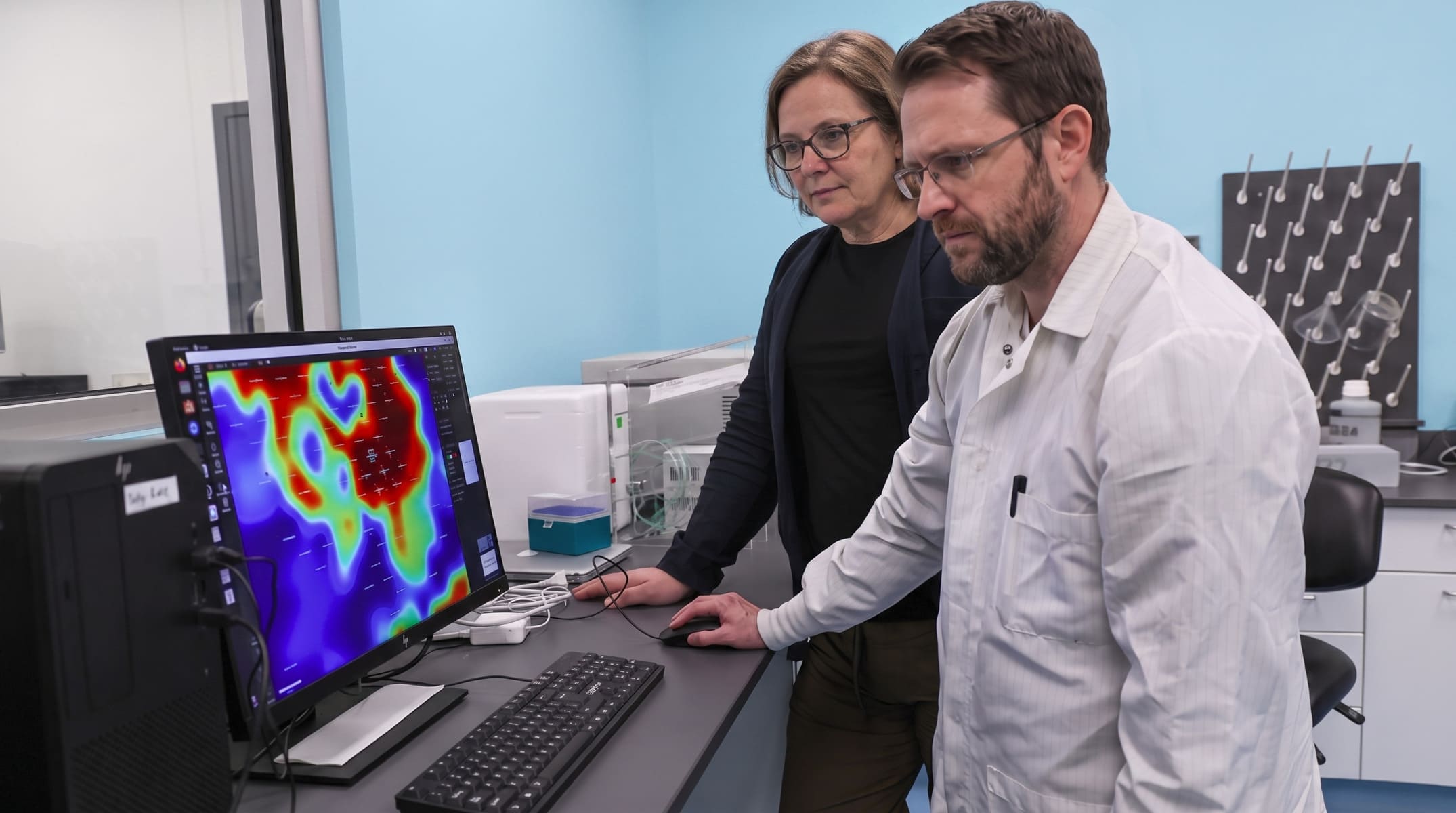
What he discovered was a reproducible sequence of three specific auditory frequencies, delivered in a precise temporal order, that consistently suppressed DMN wandering while activating the dorsolateral prefrontal cortex. Over several months of iterative refinement, this finding became the foundation of the 7-Minute Morrow Protocol, a precision-engineered auditory entrainment system designed to induce deep focus states without pharmaceutical intervention or effortful self-regulation. Initial validation testing on a cohort of 47 adults diagnosed with ADHD demonstrated an 85% efficacy rate when benchmarked against clinical neurofeedback outcomes produced by laboratory-grade equipment. To date, the protocol has been used by more than 7,000 individuals worldwide.
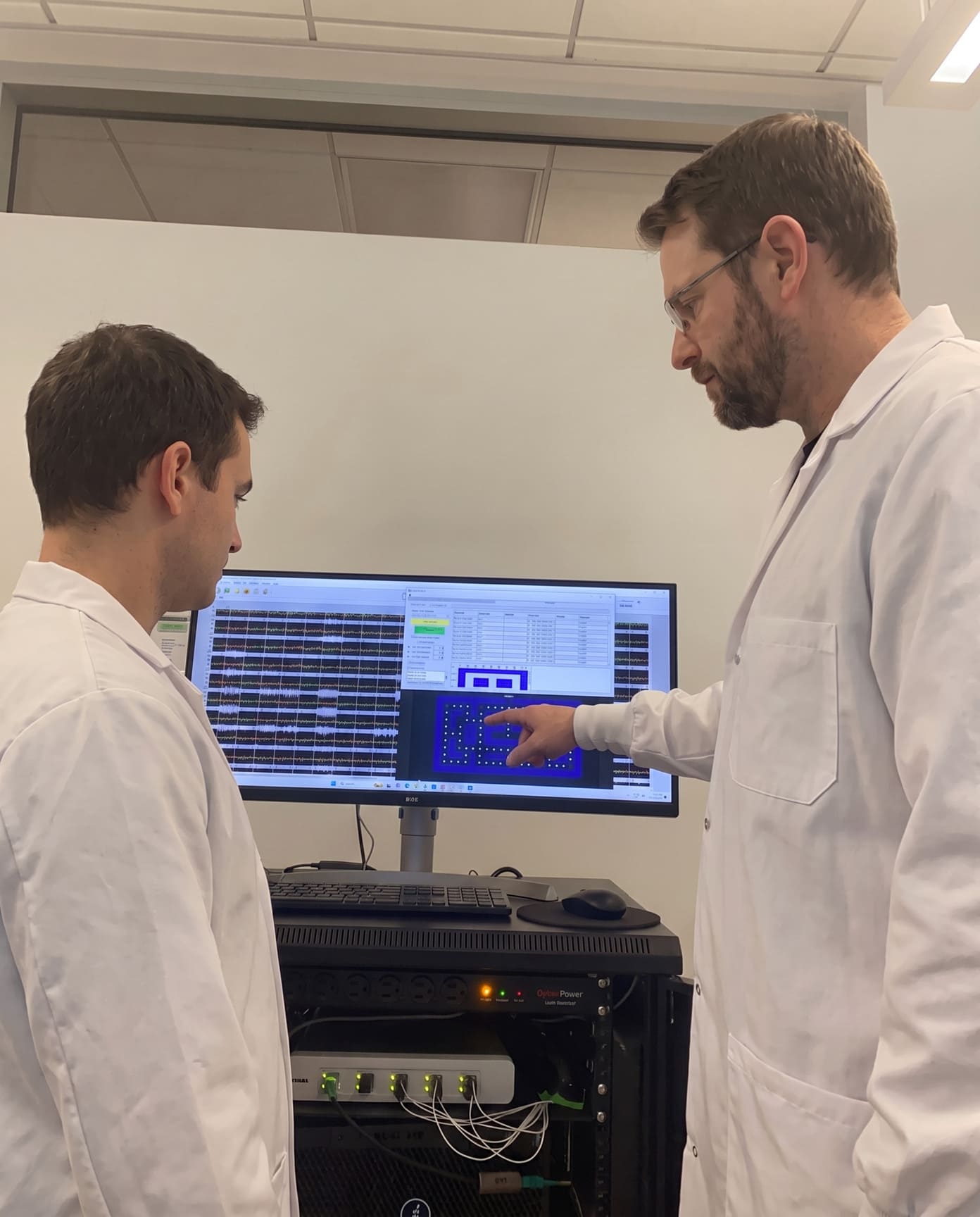
Building on this work, Dr. Morrow later developed a complementary tool he refers to as "Brain Soap," a 10-minute descending frequency pattern combined with targeted Gamma-band bursts. This protocol was engineered over seven months of dedicated lab time and is designed to reset dopamine receptor sensitivity in individuals suffering from chronic digital overstimulation and compulsive scrolling behavior.
Today, Dr. Morrow is dedicated to translating clinical-grade neurofeedback principles into accessible, practical tools for the general public. His work bridges the gap between laboratory neuroscience and real-world application, offering evidence-informed solutions for individuals struggling with ADHD, focus paralysis, and dopamine exhaustion. Through the Morrow Protocol, he continues to advocate for neurological interventions that work with the brain's natural oscillatory architecture rather than against it.
Today, Dr. Morrow is dedicated to translating clinical-grade neurofeedback principles into accessible, practical tools for the general public. His work bridges the gap between laboratory neuroscience and real-world application, offering evidence-informed solutions for individuals struggling with ADHD, focus paralysis, and dopamine exhaustion. Through the Morrow Protocol, he continues to advocate for neurological interventions that work with the brain's natural oscillatory architecture rather than against it.